

MDM (Mobile Device Management)
India

Index
Overview & Strategic Context
Enterprises today rely on hundreds of mobile devices for field operations, logistics, transportation, sales, and workforce management.
Without a proper Mobile Device Management (MDM) system, organizations face severe risks such as unauthorized data access, device misuse, policy violations, and loss of visibility.
To solve this, our team engineered a robust Android MDM Mobile Device Management solution built to simplify device enrollment, remotely manage policies, ensure compliance, and integrate with backend systems.
This case study explains the entire solution—its features, architecture, security model, and business results.
Business Challenge
The enterprise needed a centralized MDM Mobile Device Management platform that could:
Onboard devices instantly
Display enterprise-level policies
Track device compliance
Trigger push notifications
Provide a read-only UI for Phase-1
Integrate with existing backend APIs
Use secure communication and minimal permissions
The objective was to deliver a lightweight yet scalable Phase-1 system that prepares the foundation for full MDM enforcement in Phase-2.
What Is Mobile Device Management (MDM)?
- Secure onboarding
- Policy visibility
- >Device verification
- Compliance monitoring
- Push notifications
- Backend-linked Management
This ensures enterprise data protection and smooth operational control.
Custom Mobile App Development for Modern Businesses
We designed and developed a scalable mobile application that helped the business improve customer engagement, streamline operations, and accelerate digital growth across platforms.
Key Features Implemented in Phase-1
Device Enrollment Methods
We enabled three flexible enrollment options within the Mobile Device Management (MDM) app:
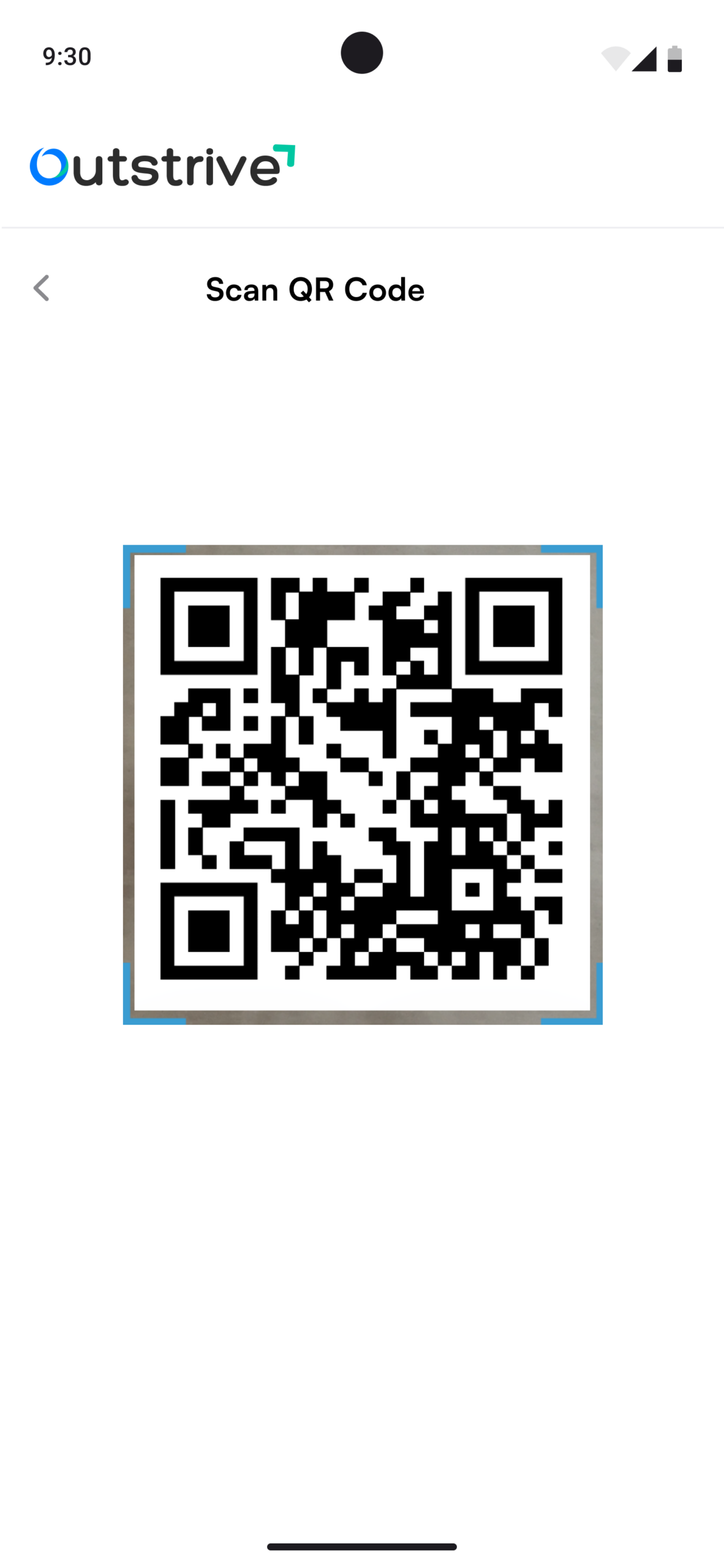
QR Code Enrollment
- Organization generates QR
- Admin scans via device
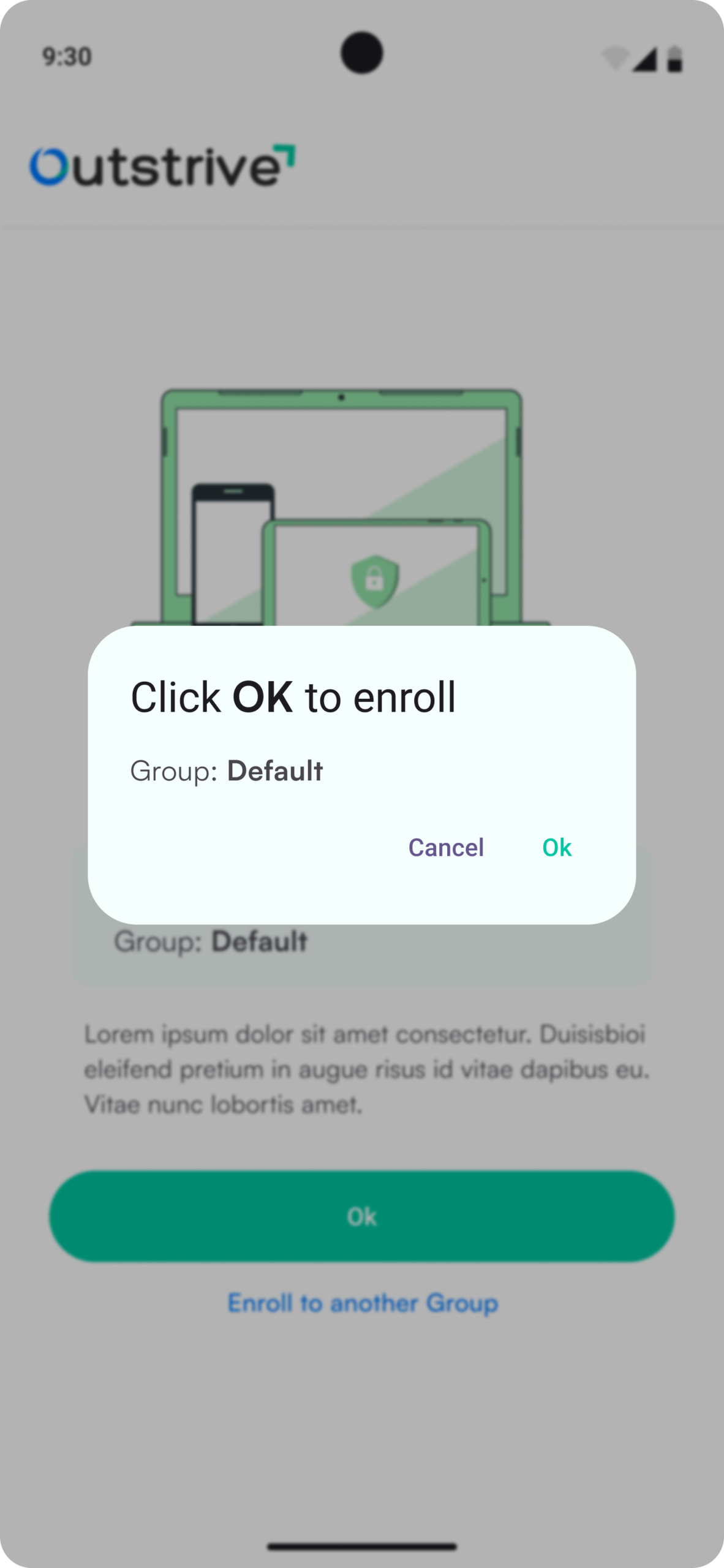
- Device auto registers with backend
- App fetches policies
- Compliance status shown instantly
6-Tap Method
- Reset device
- Tap screen 6 times during setup
- Device automatically downloads the MDM app
- Completes enrollment in minutes
Direct Download (Play Store / APK)
- Install MDM mobile app – Outstrive
- Enter unique enrollment key
- Device securely connects to organization backend
Core Functionalities of the Mobile Device Management App (MDM)
Policy Display (Read-Only)
The app retrieves enterprise policies from backend APIs and displays them with non-functional toggles:
- Camera Allow/Block (Read Only)
- Bluetooth On/Off (Status Display)
- Wi-Fi Restrictions
- Microphone Access
- VPN Enforcement
- USB/File Transfer permissions
- Battery Optimization rules
Although these do not enforce actions in Phase-1, they provide a complete preview of the future policy controls.
Real-Time Firebase Push Notifications
- Policy Applied
- Device Enrolled
- Compliance Warning
- Unauthorized App Detected
- VPN Disconnected
- Remote Lock/Wipe Status
- Data Usage Alerts
- User Role Updates
- Mandatory App Installation Updates
- Notifications help admins and users stay updated in real time
App Dashboard & User Interface
The MDM interface shows:
- Enrollment Status: Enrolled / Not Enrolled
- Organization Name
- Enterprise ID
- Active Policy List
- Compliance Status
Additional UI Screens:
- QR Code Enrollment Screen
- Policy Display Screen
- Notifications List
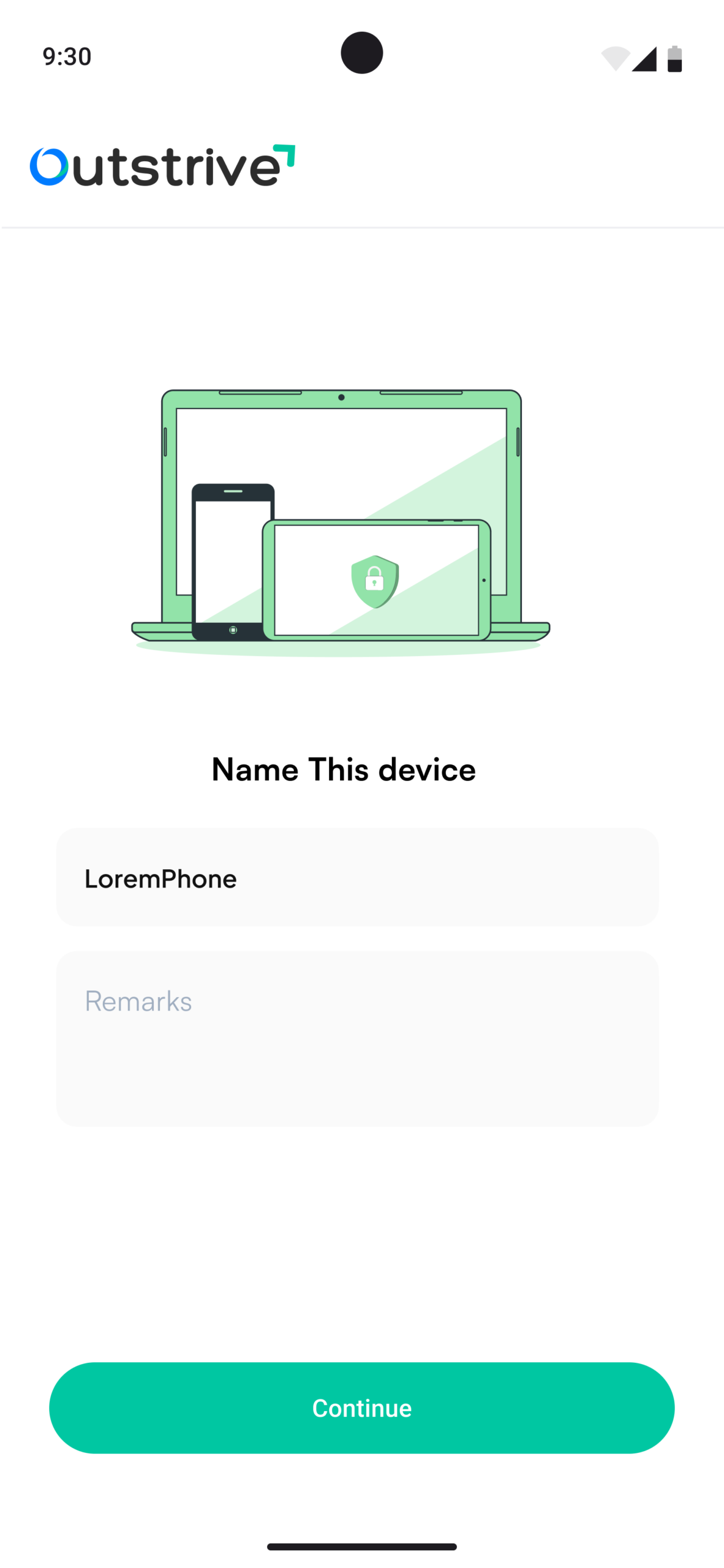
- Device Information
Work Flow Of App

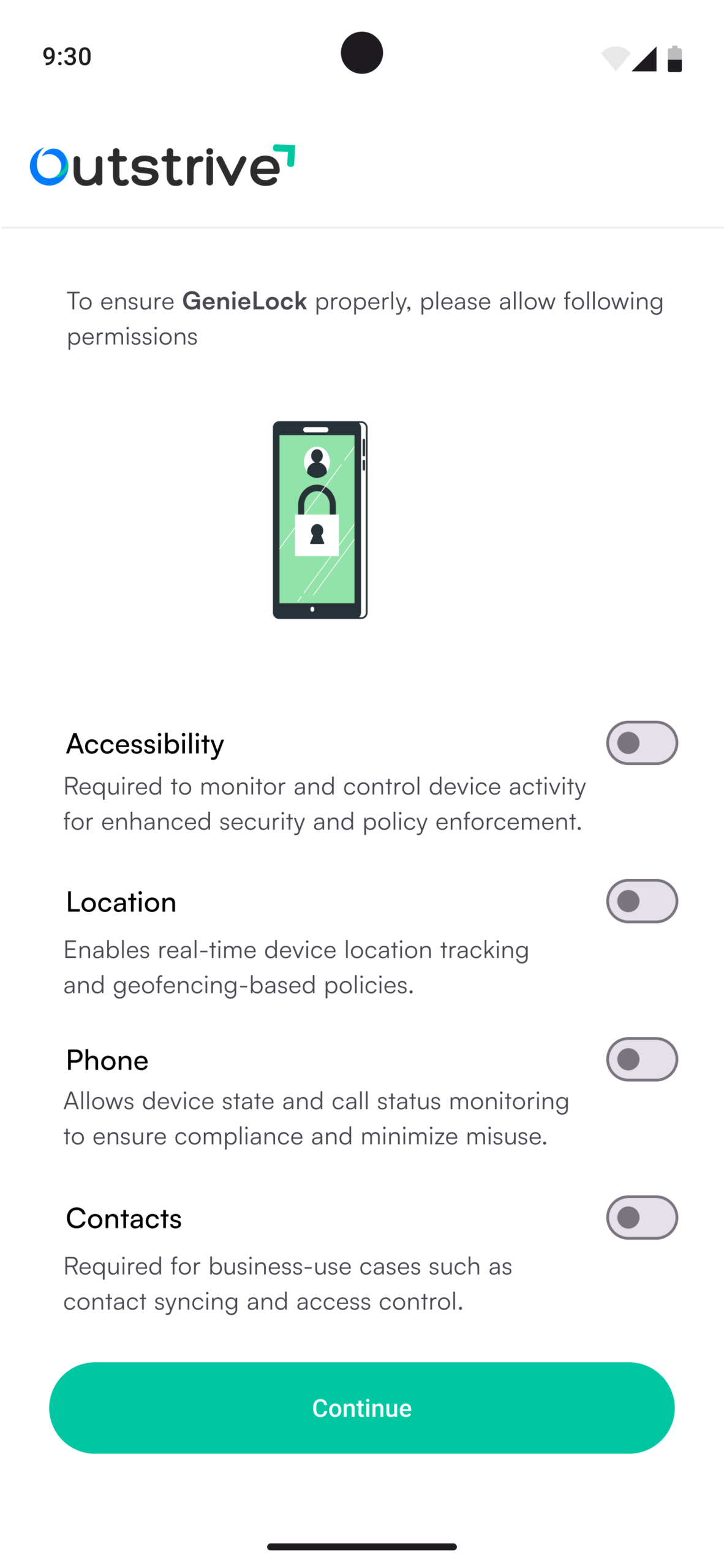
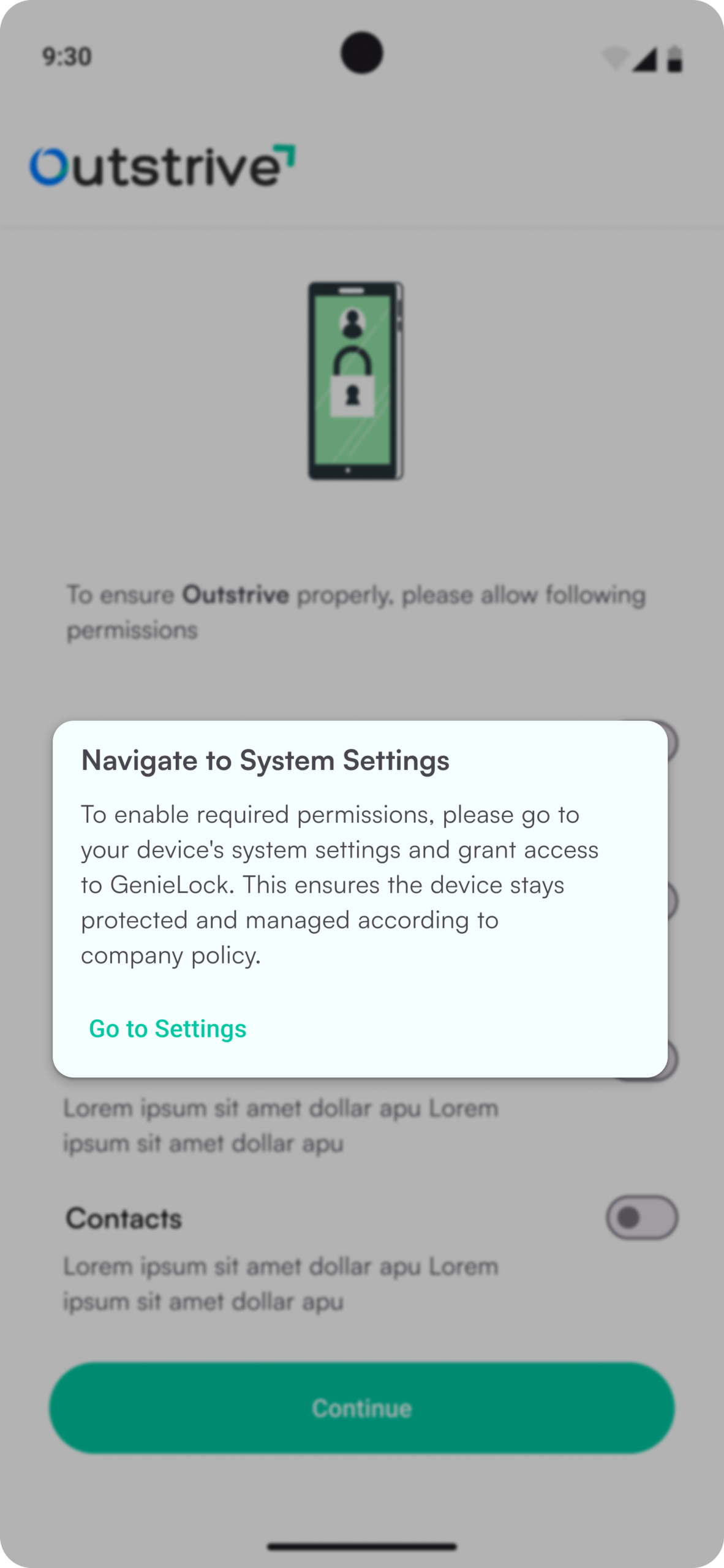
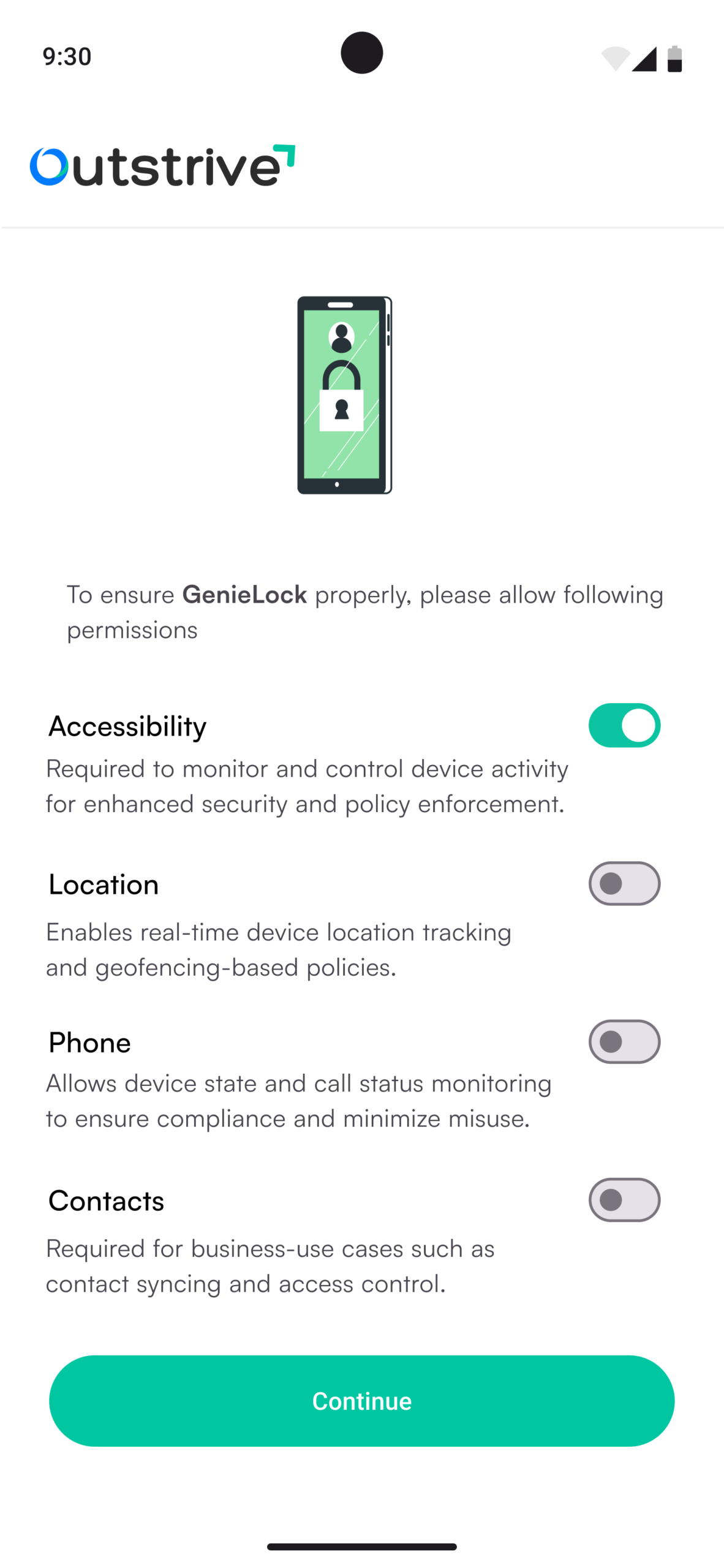
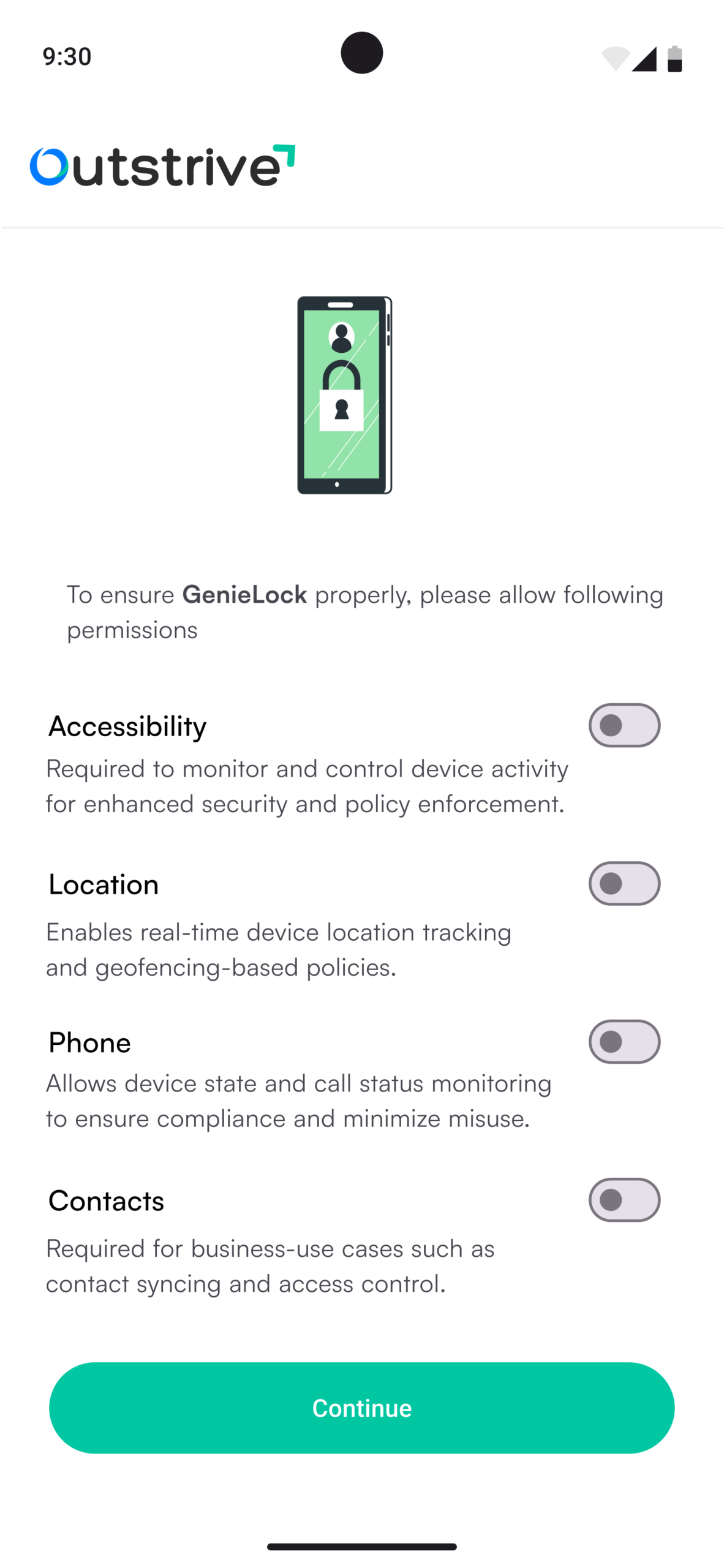
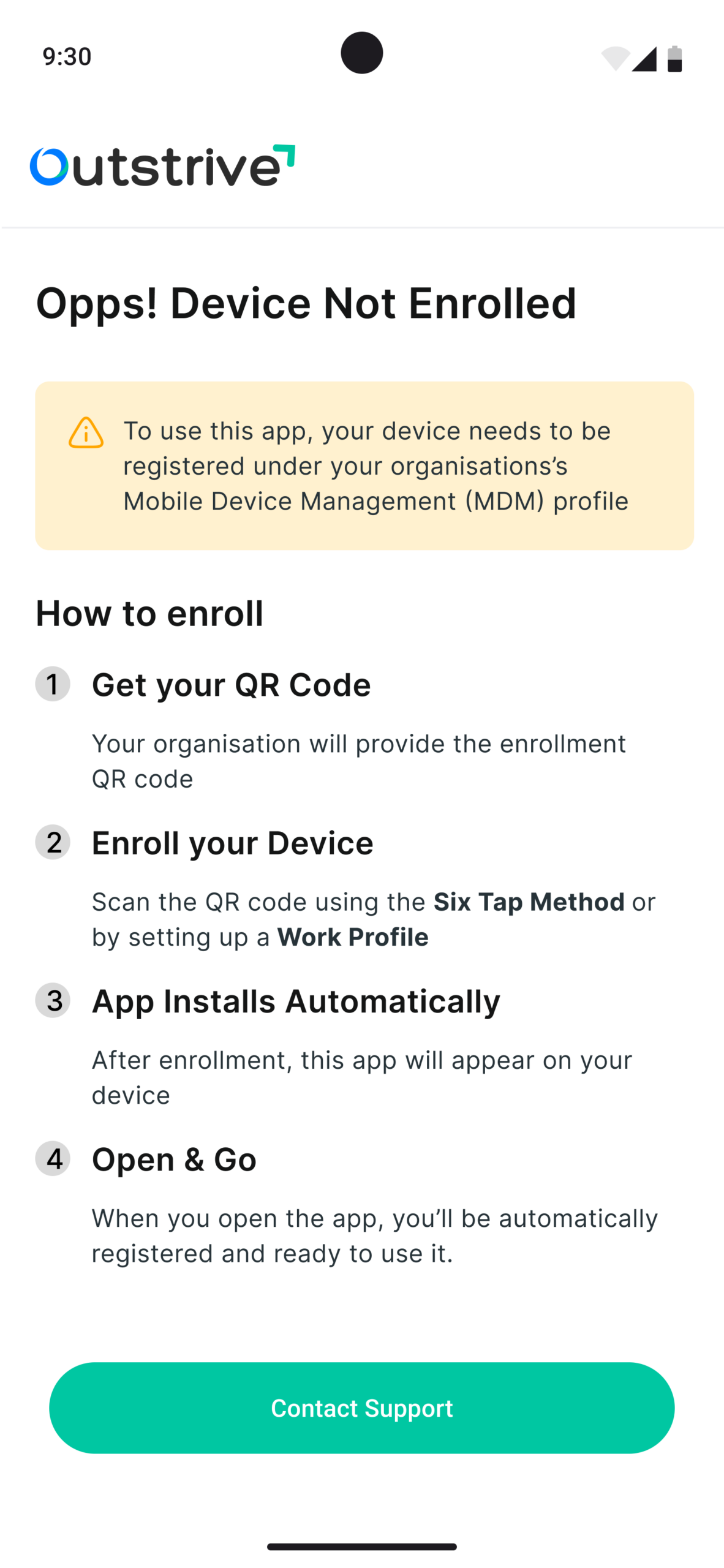
Security Requirements in the Mobile Device Management System (MDM) Secure Enrollment Flow
The QR-based authentication ensures:
- Encrypted onboarding
- Valid organization mapping
- Token-based validation
- Prevention of unauthorized enrollment
- Minimal Permissions for Phase-1
Only essential permissions are requested, such as:
- Camera (for QR scanning)
- Device Information
- Notification Access
Advanced controls like Wi-Fi blocking, camera disabling, VPN control, and USB restrictions will be executed in Phase-2 using Android Device Owner mode.
App Behavior Summary
| App Action | Result |
|---|---|
| Scan QR Code | Registers device under the organization |
| Fetch Policies | Displays enterprise policies (read-only) |
| Compliance Status | Shows “Compliant / Not Compliant” |
| Notifications | Alerts for policies, enrollment, security |
| Dashboard Updates | Shows company details + active rules |
Business Impact of the Mobile Device Management System (MDM)
Faster Device Enrollment (Up to 75%)
QR and 6-tap methods reduced setup time dramatically.
Centralized VisibilityAdmins gained full visibility into all enrolled devices, policies, and users.
Compliance AwarenessEven without Phase-2 restrictions, the read-only policy display helped teams understand security expectations clearly.
Strong Foundation for Phase-2Architecture is ready for enforcement features including:
- Camera Block
- VPN Enforcement
- Wi-Fi Control
- Screenshot/Screen Recording Block
- Remote Wipe
- App Installation Control
Real-Time Communication
Users receive instant updates about compliance, security, policy shifts, and role changes.
Conclusion
The customized Android Mobile Device Management (MDM) solution successfully addressed the enterprise’s need for secure device onboarding, centralized policy visibility, compliance monitoring, and seamless backend integration.
Phase-1 created a scalable architecture, enabling the organization to move smoothly toward advanced MDM capabilities in Phase-2.
This case study demonstrates that strategic planning, modular development, and security-first design can transform enterprise mobile operations and strengthen device governance.
Transform Your Mobility Management
Implement a scalable MDM Mobile Device Management solution to improve compliance and control across all devices.