
The offshore development landscape is entering a pivotal phase. According to industry forecasts, the global offshore software development market is expected to grow at a 6.51% CAGR and attain a market volume of US$806.55 billion by 2030.
This upsurge highlights how global businesses of all sizes are reimagining their operating models.
Amid rapid technological adoption and evolving digital expectations, offshore software development has emerged as a reliable approach for scale-ups.
Today, CTOs across the globe are turning to offshore partnerships to:
Access specialized talent pools
Reduce internal costs
Accelerate digital product launches
Ensure continuous delivery
Strengthen data protection
Let’s explore the top offshore software development trends and their transformative benefits.
Build With Future-Ready Engineering Teams
Work with offshore experts trained in cloud, DevOps, and automation.
Offshore Software Development Trends Likely to Emerge in 2026
Scale-ups worldwide are working with top offshore developers to stay aligned with evolving tech trends. Earlier concerns around security and reliability have largely faded due to improved delivery models and governance frameworks.
However, outsourcing trends continue to evolve due to innovation and market dynamics. Key offshore development trends expected in 2026 include:
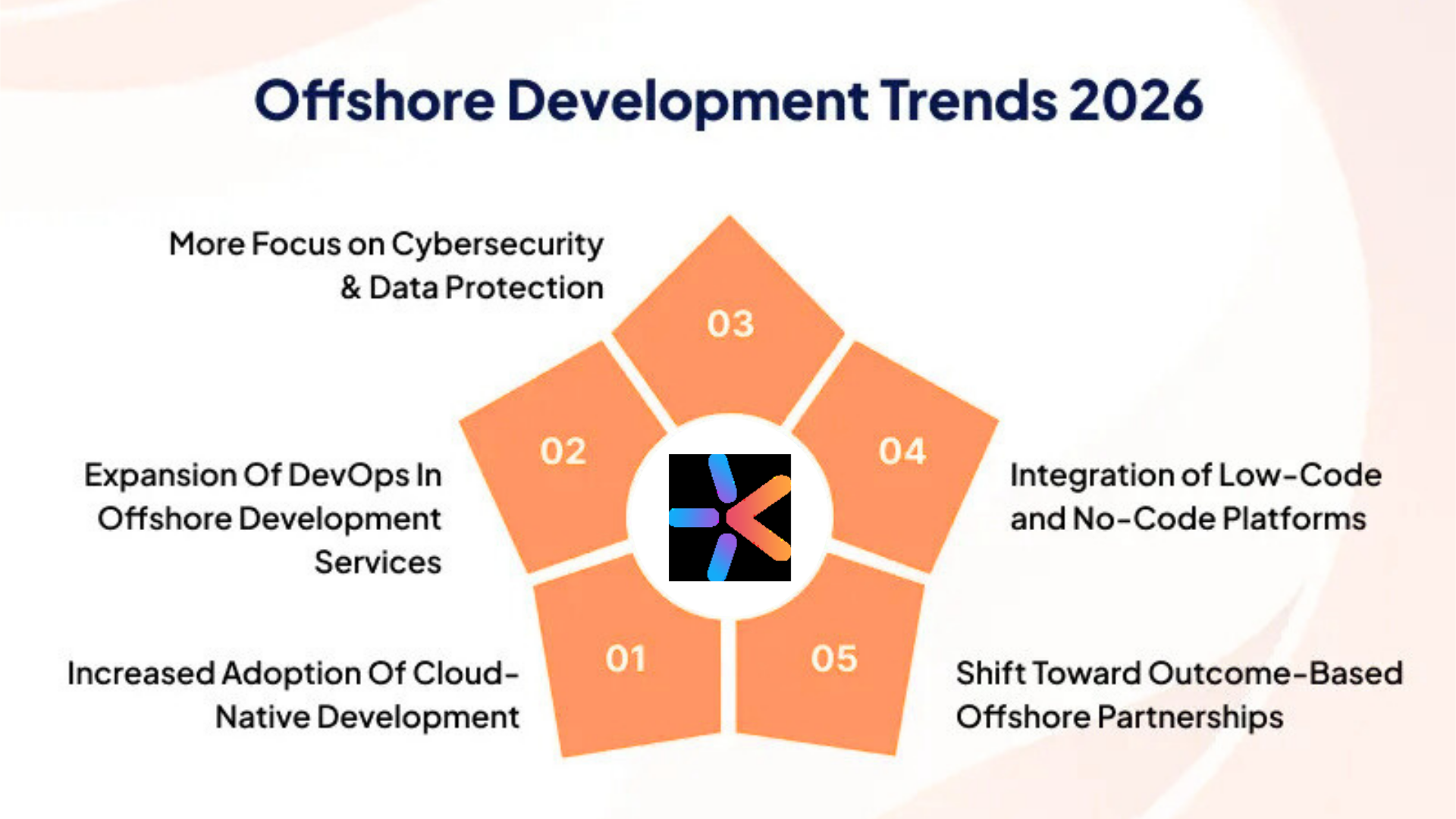
1. Increased Adoption of Cloud-Native Development
Being cloud-native is no longer optional—it’s a baseline requirement.
What Drives This Change?
Increased use of AI, Machine Learning, and RPA
Shift from monolithic systems to microservices
Widespread container adoption using Docker and Kubernetes
CI/CD pipelines enabling faster, high-quality deployments
Systems designed for resilience and auto-scaling
What This Means for CTOs
Higher demand for offshore teams skilled in Kubernetes, Istio, and microservices
Legacy monoliths rebuilt into modern architectures
Faster adoption across FinTech, HealthTech, and SaaS sectors
Why Does It Matter?
Cloud-native architecture enables 30–50% faster deployment, automation, and intelligent scaling.
2. Expansion of DevOps in Offshore Development Services
Engineering teams are increasingly reliant on automated, integrated, and continuously optimized workflows.
Key Shifts
DevOps adoption expanding across testing, integration, and deployment
Parallel development and operations improving efficiency
Increased automation for faster, error-free releases
What Does It Mean for CTOs?
Offshore partners will be evaluated based on:
Delivery velocity
Automation reliability
Workflow integration
Sprint discipline and predictability
Why Does It Matter?
DevOps-mature teams deliver code 46x faster with end-to-end accountability.
3. More Focus on Cybersecurity & Data Protection
Cybersecurity is no longer a secondary concern.
Key Shifts
Rising cyber threats driving increased security investments
Mandatory cyber audits and firewall monitoring
SOC 2 and ISO 27001 becoming standard practices
What It Means for CTOs
Preference for compliant, security-first partners over low-cost vendors
Cyber resilience becoming a board-level KPI
Increased accountability for threat prevention and response
4. Integration of Low-Code and No-Code Platforms
CTOs seek faster time-to-market without building everything from scratch.
Key Shifts
Increased use of open-source frameworks
Reduced coding effort with high customization
Faster innovation cycles
5. Shift Toward Outcome-Based Offshore Partnerships
CTOs now prefer results over billable hours.
Key Shifts
Measurement of business outcomes instead of effort
Shared accountability between clients and offshore teams
Transparent delivery models
Why Does It Matter?
Outcome-driven SLAs ensure real, measurable business impact.
Turn 2026 Trends Into Competitive Advantage
Deploy offshore pods that improve delivery speed, security, and ROI.
Why CTOs Must Stay Updated With These Latest Offshore Development Trends
Offshore development models outperform traditional outsourcing through efficiency and innovation.
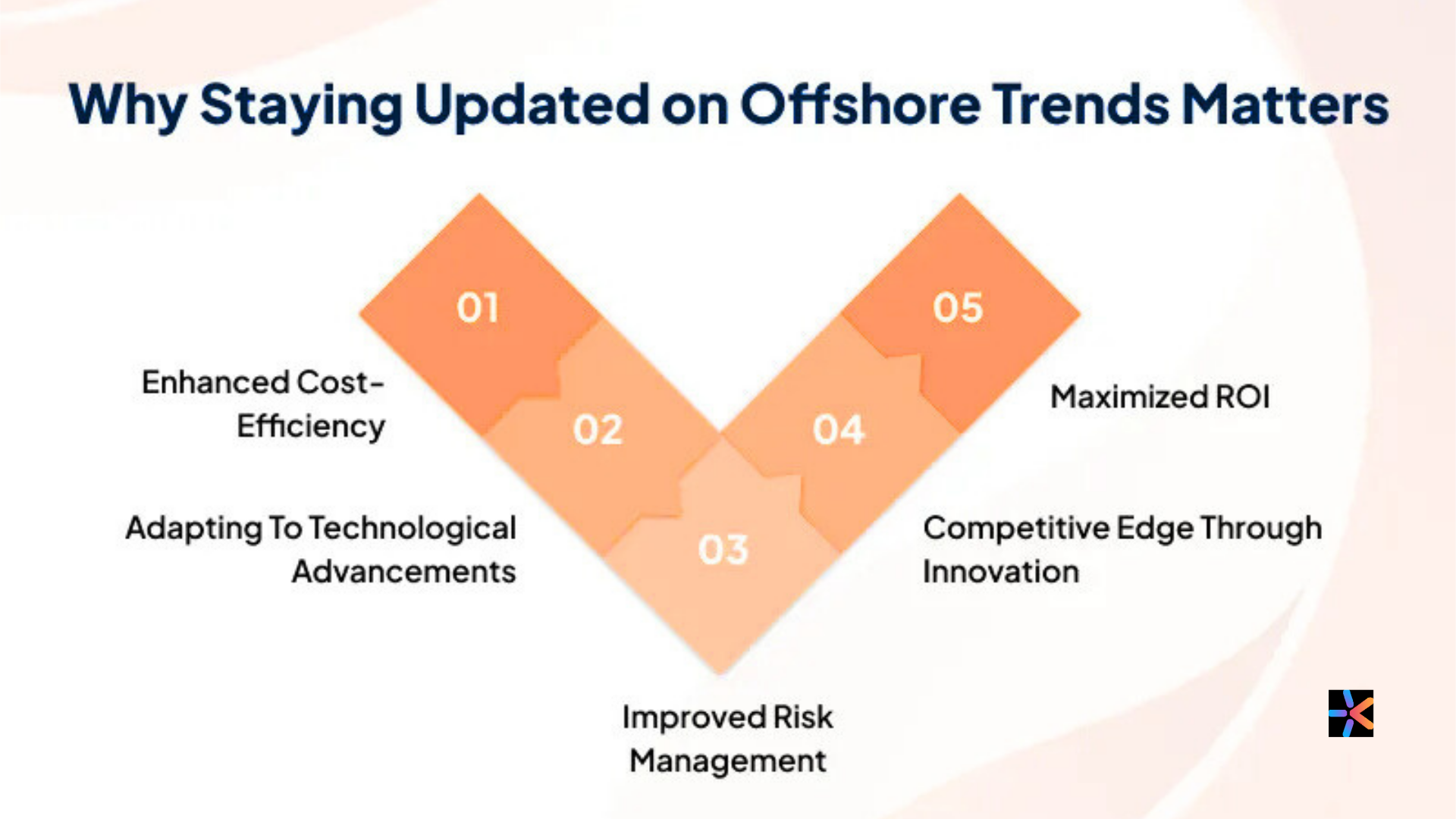
Key Benefits of Staying Updated
1. Enhanced Cost-Efficiency
Reduce engineering costs by 40–60%
Lower operational expenses and tax overheads
Access top-tier developers at optimal cost
2. Adapting to Technological Advancements
Access expertise in AI, blockchain, and IoT
Improved collaboration between offshore and in-house teams
3. Improved Risk Management
Tracking geopolitical, economic, and talent availability factors helps:
Diversify engineering risks
Ensure uninterrupted delivery
- Maintain regulatory compliance
4. Competitive Edge Through Innovation
Faster development via cloud and hybrid outsourcing
3x faster deployment cycles
5. Maximized ROI
Customized solutions at lower cost
Optimized resource utilization and scalability
Why Should CTOs Consider Offshore Software Developers?
Key Considerations for Hiring Offshore Developers
1. Experience and Expertise
Prioritize partners with:
10+ years of delivery experience
Domain expertise (FinTech, HealthTech, SaaS, eCommerce)
Proven cloud-native and DevOps portfolios
2. Communication and Collaboration Standards
Ensure:
Overlapping work hours
Clear documentation
Governance frameworks
Tool integration (Jira, GitHub, Slack, Azure DevOps)
3. Comprehensive Solutions
Choose partners offering:
Architecture + development
QA + SecOps
CloudOps + support
Product modernization
4. Speed and Agility
Look for:
Stable sprint velocity
Automated CI/CD
Daily progress visibility
Agile or pod-based execution
5. Security Parameters
Mandatory practices:
SOC 2 / ISO 27001
Secure coding standards
Regular vulnerability testing
Strict access control
Final Thoughts
In 2026, offshore software development will be more accessible and strategic for scale-ups. Key trends like DevOps automation, cloud-native engineering, and outcome-based delivery will redefine success.
CTOs who adapt early will:
Scale engineering faster
Accelerate innovation
Maintain long-term competitive advantage
Partnering with experienced service providers like Codevian Technologies ensures:
8+ years of industry experience
Cloud-native, DevOps-first teams
Enterprise-grade security (SOC 2 / ISO 27001)
Call us to upscale your business potential with our offshore IT services.
Future-Proof Your Engineering Roadmap
Leverage teams built for speed, security, and next-gen delivery.